Our Rua Programme: A Different Response to Crime
/As we conclude our series responding to the findings of “A Socioeconomic Analysis of Dublin’s South West Inner City” by Dr. Barra Roantree, we want to focus on a topic that is often discussed in isolation but is deeply connected to many of the issues highlighted throughout the report: crime.
Several of the report's findings point to rising levels of crime in the South West Inner City, noting that serious crimes have increased by more than 20 per cent since 2023 and that the area's crime rate is more than double the national average.
While these figures are concerning, they cannot be viewed in isolation. Behind every statistic is a person, a family, and a community shaped by wider social and economic circumstances.
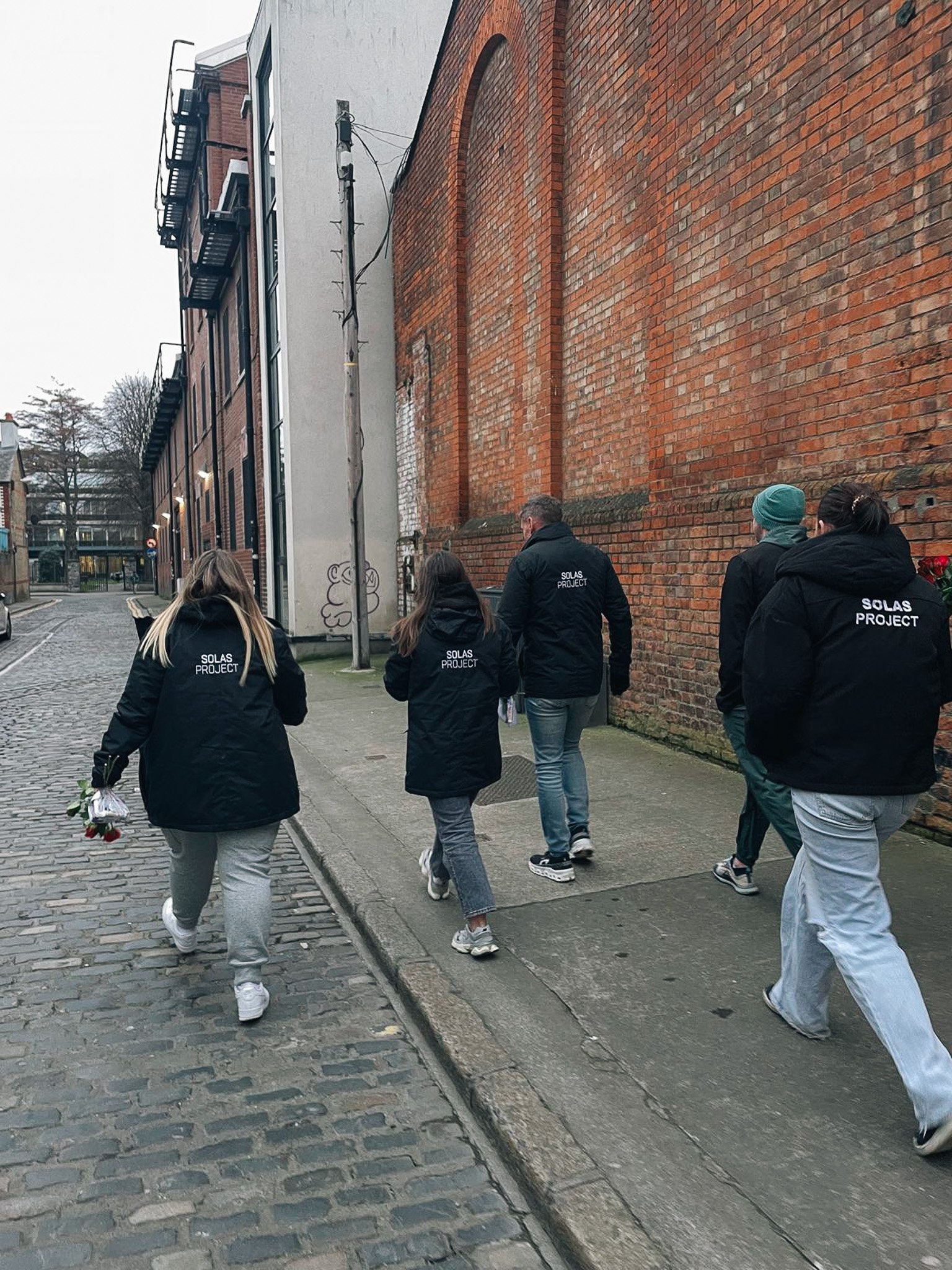
TARGETED OUtreach in the Community
This reality is reflected in the recent Irish Penal Reform Trust (IPRT) report, “From Punishment to Prevention: Poverty, Inequality and Pathways into the Irish Criminal Justice System”, which highlights how poverty, school exclusion, unmet mental health needs, trauma, housing instability, substance use, and a lack of youth infrastructure can all contribute to pathways into the criminal justice system. In communities experiencing long-term deprivation, these challenges are often layered, cumulative, and intergenerational.
This understanding is central to our Rua Programme.
Rua works with young people aged 15-22 who are involved in, or at risk of becoming further involved in, the criminal justice system. Based in Dublin 8 and Dublin 12, the programme recognises that offending behaviour is often linked to experiences of exclusion, inequality, and a lack of opportunity. At the same time, it challenges harmful behaviour and supports young people to take responsibility for their actions through a restorative approach.
The programme's name reflects this belief. Historically, some young people involved in the justice system were described as being "red starred", marked by a warning sign beside their name. Rua, the Irish word for something that is red and alive, was chosen intentionally. Rather than seeing these young people as a warning sign, we see them as individuals full of life, strength, and potential, with valuable contributions to make to their communities and society.
At the heart of Rua is the trusting relationship built between youth justice workers and young people. Through a four-year intervention model, the programme provides long-term, consistent support that remains present through both successes and setbacks. Working one-to-one and in small groups, the team supports young people in areas such as personal development, education, training, employment, and positive community engagement.
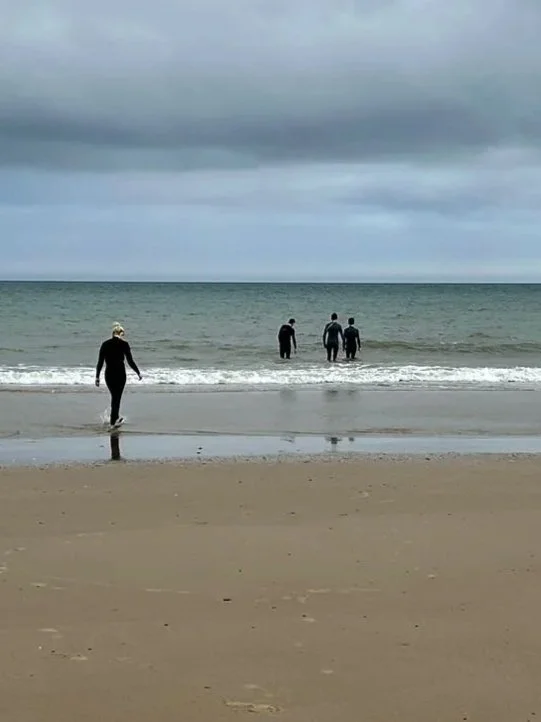
Young People Enjoying time in the Ocean on a Summer Residential
In 2025, Rua engaged with 56 young people through 2,945 hours of contact work. Alongside structured interventions, the team facilitated 24 nights away on residential trips and delivered 32 summer activities, creating opportunities for young people to build relationships, develop confidence, and experience new environments beyond their day-to-day circumstances.
We chose to conclude this series with the topic of crime because it highlights how interconnected many of these issues are. The barriers to education explored in Part 1 and the lack of sporting facilities and opportunities discussed in Part 2 are not separate challenges. They form part of the wider environment in which young people grow up and make decisions about their futures.
The statistics presented in these reports are stark, but they also reinforce why this work matters. They remind us of the importance of investing in young people early, creating opportunities for connection and participation, and providing long-term support when challenges arise.
As the IPRT report states:
"Safer communities and a fairer justice system can be built through earlier intervention, stronger community supports, and sustained investment in the conditions that allow people and communities to live with dignity."
At Solas Project, that is exactly what we are striving to do: create opportunities, build relationships, and support young people to realise their potential, regardless of the challenges they face.


