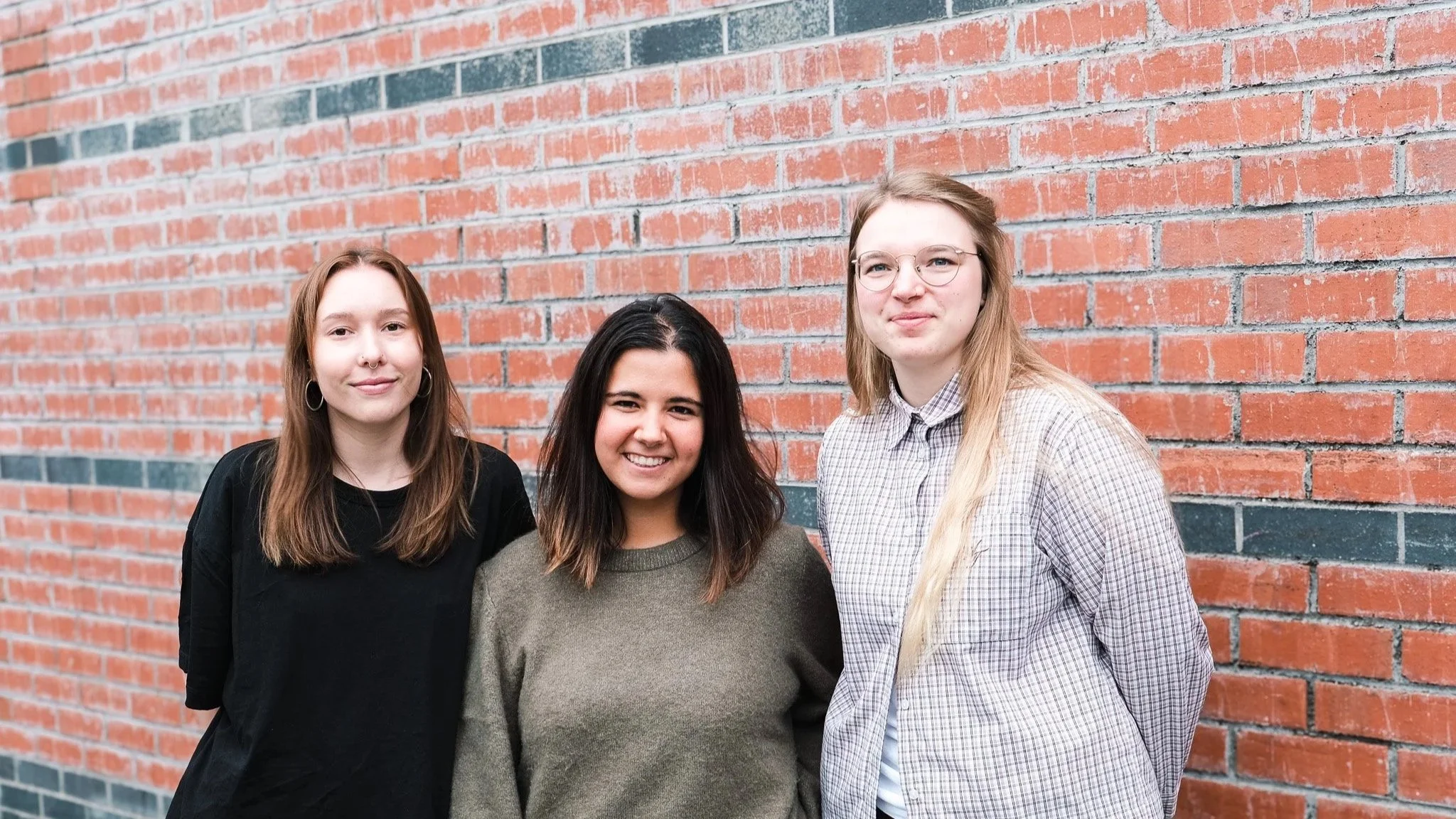
Love, Hope, Justice and Joy: Celebrating Pride at Solas Project

This year, we wanted to make Pride a priority as an organisation and create a meaningful opportunity for young people to celebrate, connect, and feel represented. We also wanted to take practical steps to strengthen our ability to support LGBTQ+ young people through additional staff training and learning.

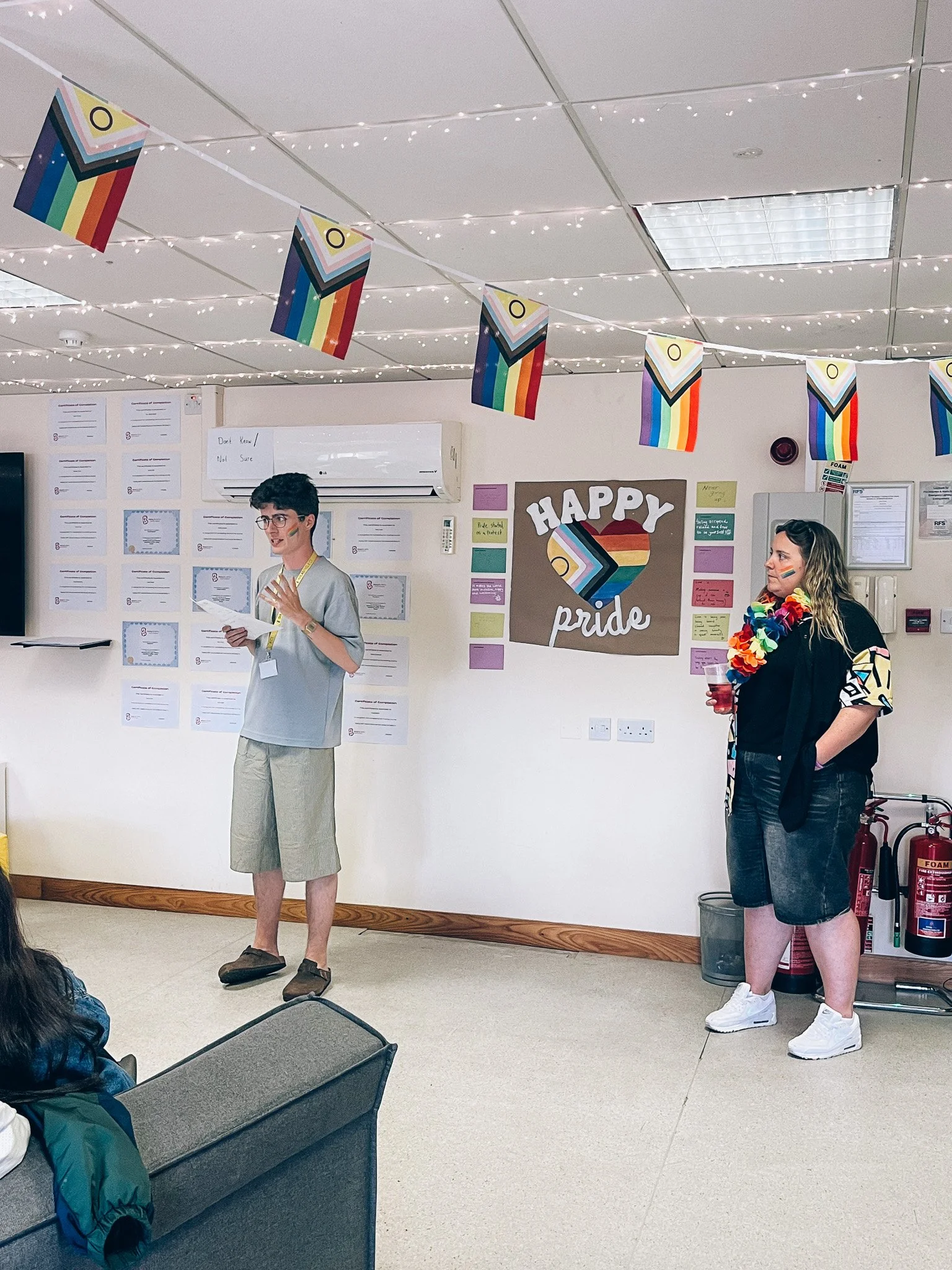
At our recent Pride event, Solas@School Youth Worker Eoin shared some opening remarks that perfectly captured why Pride matters and how it connects with our organisational values of love, hope, justice, and joy.

Love

Love is a natural place to begin. At its heart, Pride is about recognising that everyone deserves to be treated with dignity and respect, and that people should be free to be themselves and love who they love, regardless of their gender, sexuality, race, religion, or background.

Justice

Belong To's 2022 School Climate Survey found that:

  • 69% of LGBTQ+ students heard homophobic remarks from other students.

  • 58% of LGBTQ+ students heard homophobic remarks from school staff.

The 2024 Being LGBTQI+ in Ireland national study, conducted by Trinity College in association with Belong To, found that LGBTQ+ adolescents in Ireland are five times more likely to attempt suicide than their cisgender and heterosexual peers.

While Pride is often associated with celebration, these stark stats are a reminder that many young people continue to face barriers to feeling fully accepted and included. Creating environments where all young people feel safe and respected remains an important responsibility for schools, youth services, and communities alike.

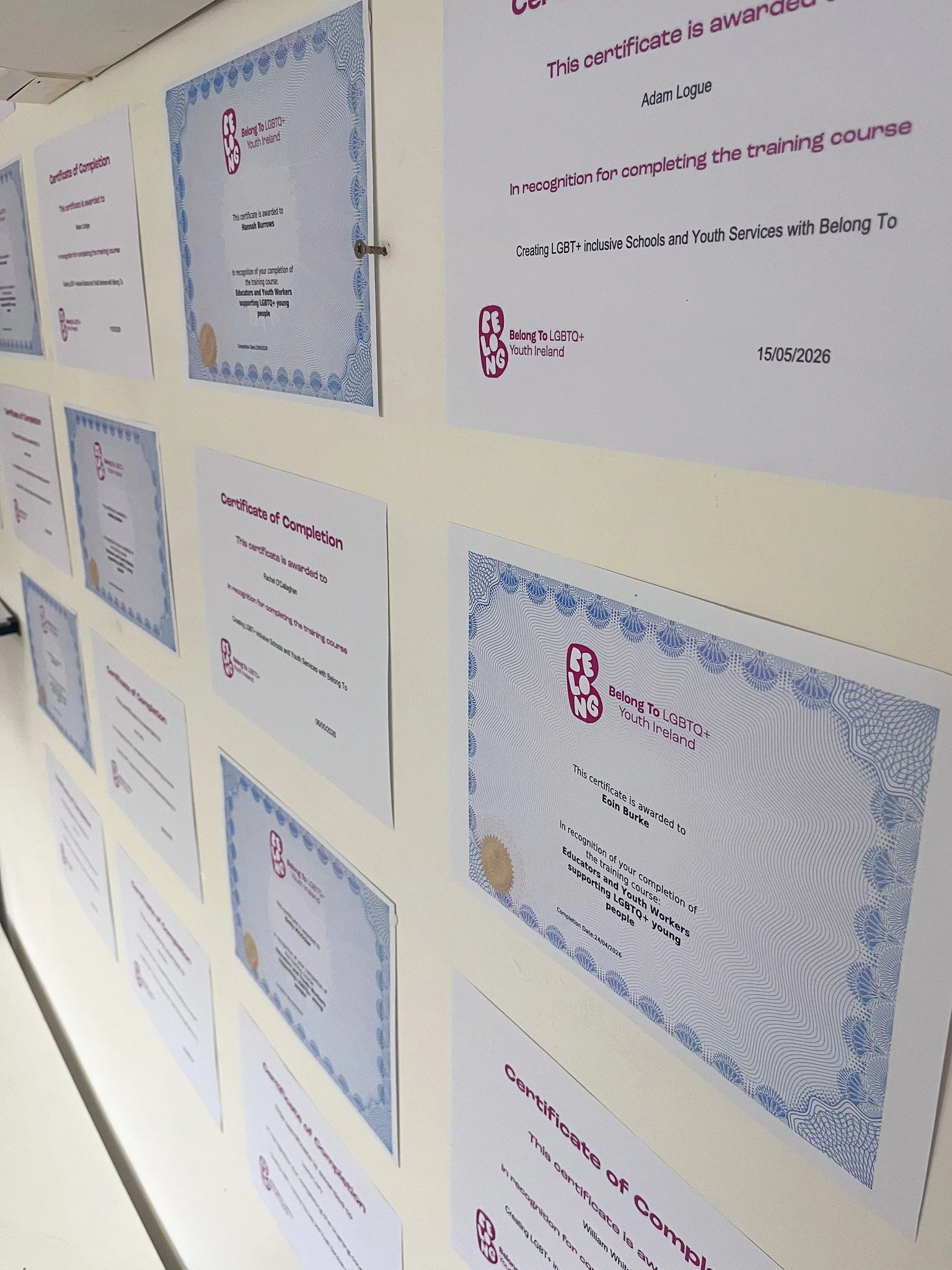
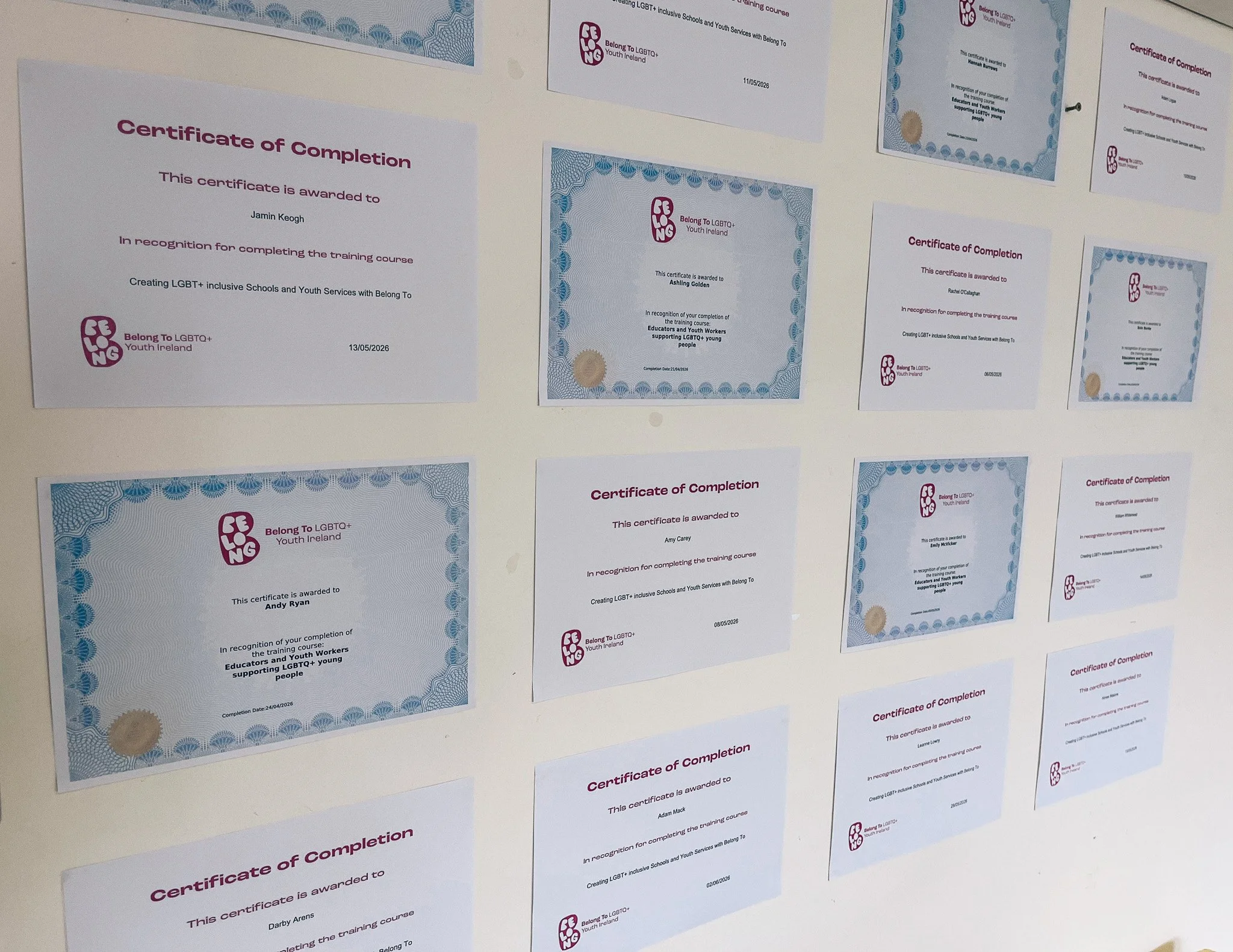
Belong To training certificates awarded to Solas Project staff

Hope

Thankfully, there are many spaces where LGBTQ+ young people can feel seen, supported, and valued. We want Solas Project to be one of those spaces.

To help ensure this, 25 of our staff across the organisation completed Belong To's Creating LGBTQ+ Inclusive Schools and Youth Services training this year. The training provided practical tools and guidance to help us better support LGBTQ+ young people across our programmes and continue fostering an environment where everyone feels welcome.

Joy

Alongside learning and reflection, Pride is also an opportunity to experience joy together.

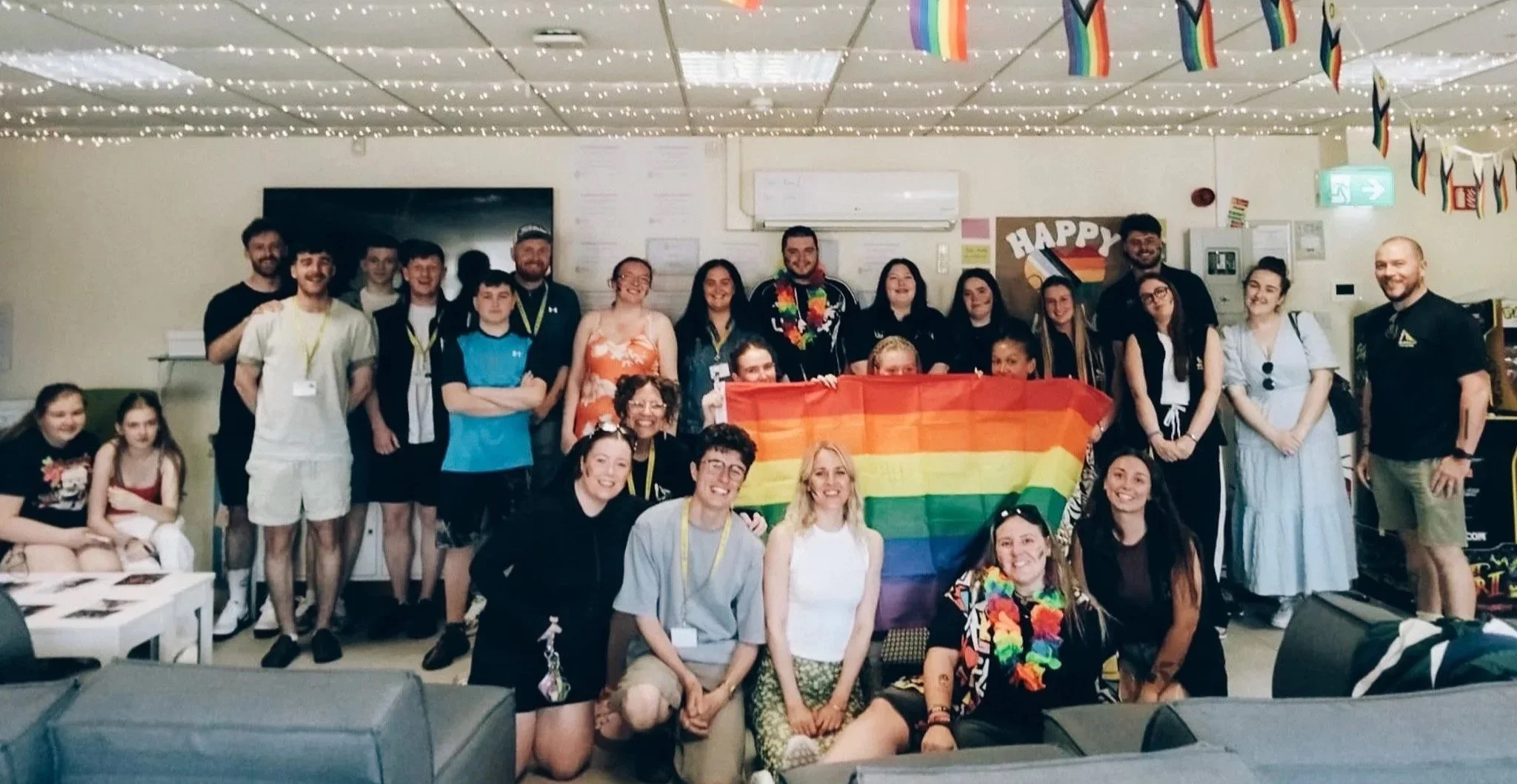
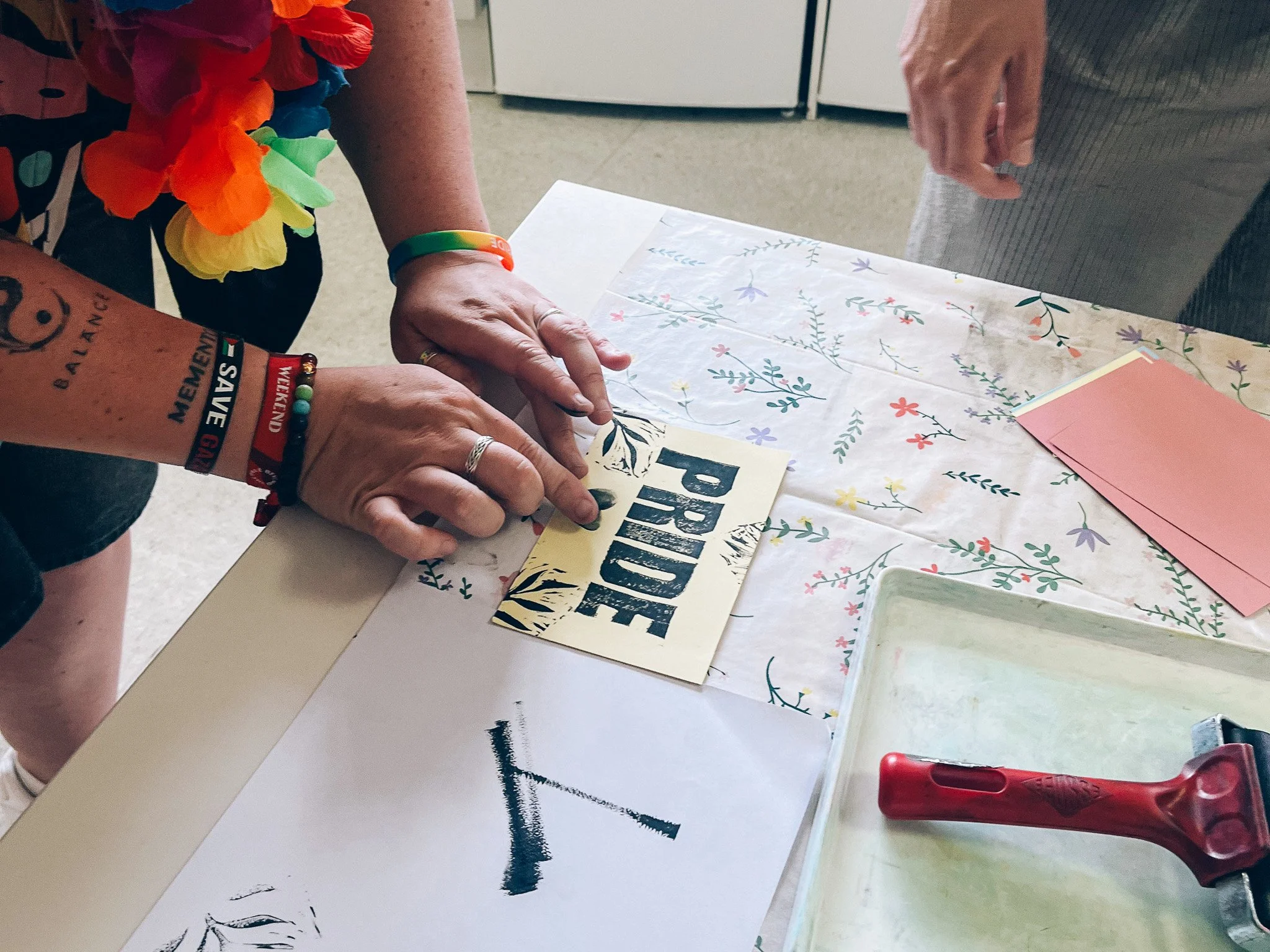
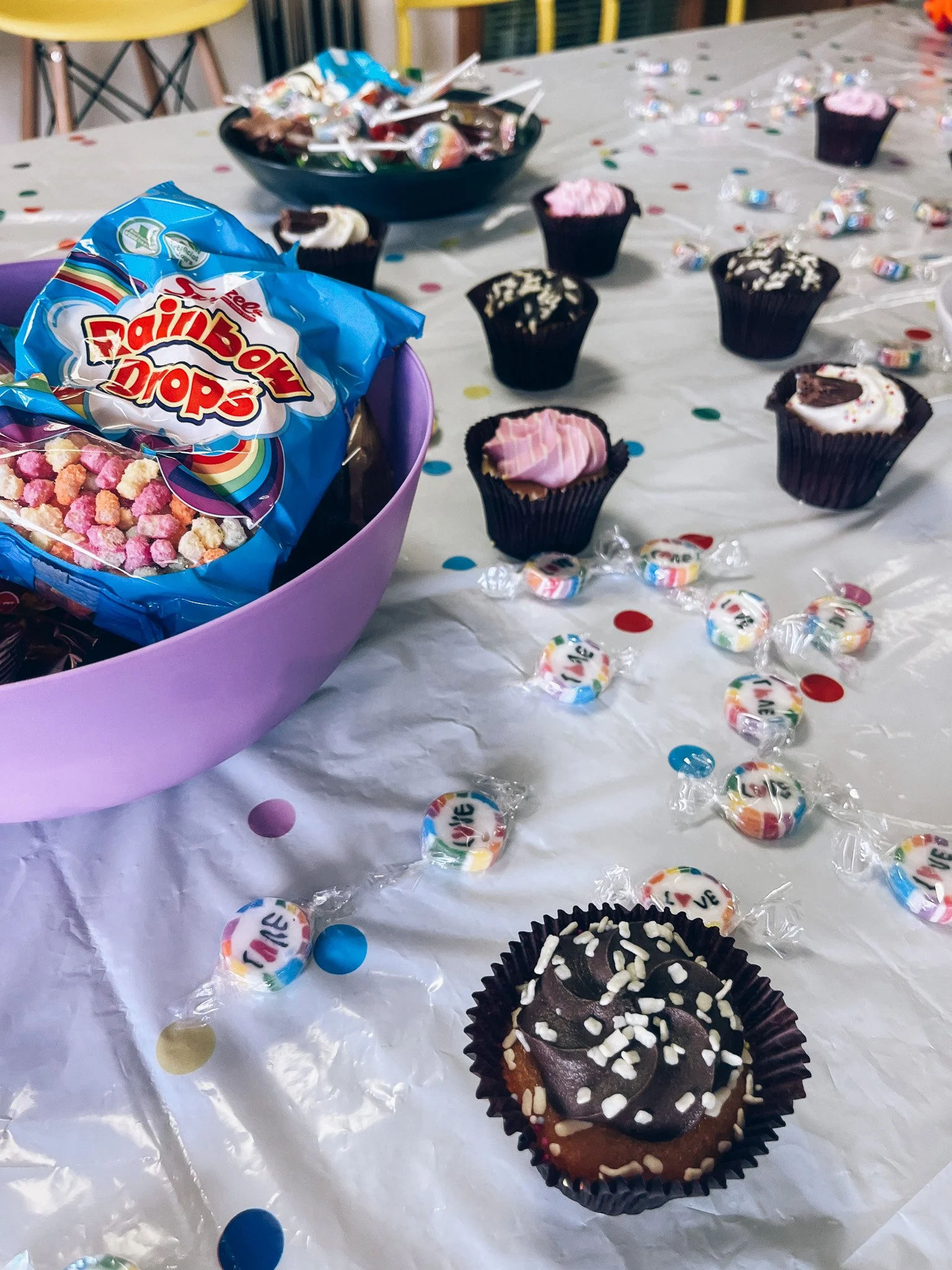
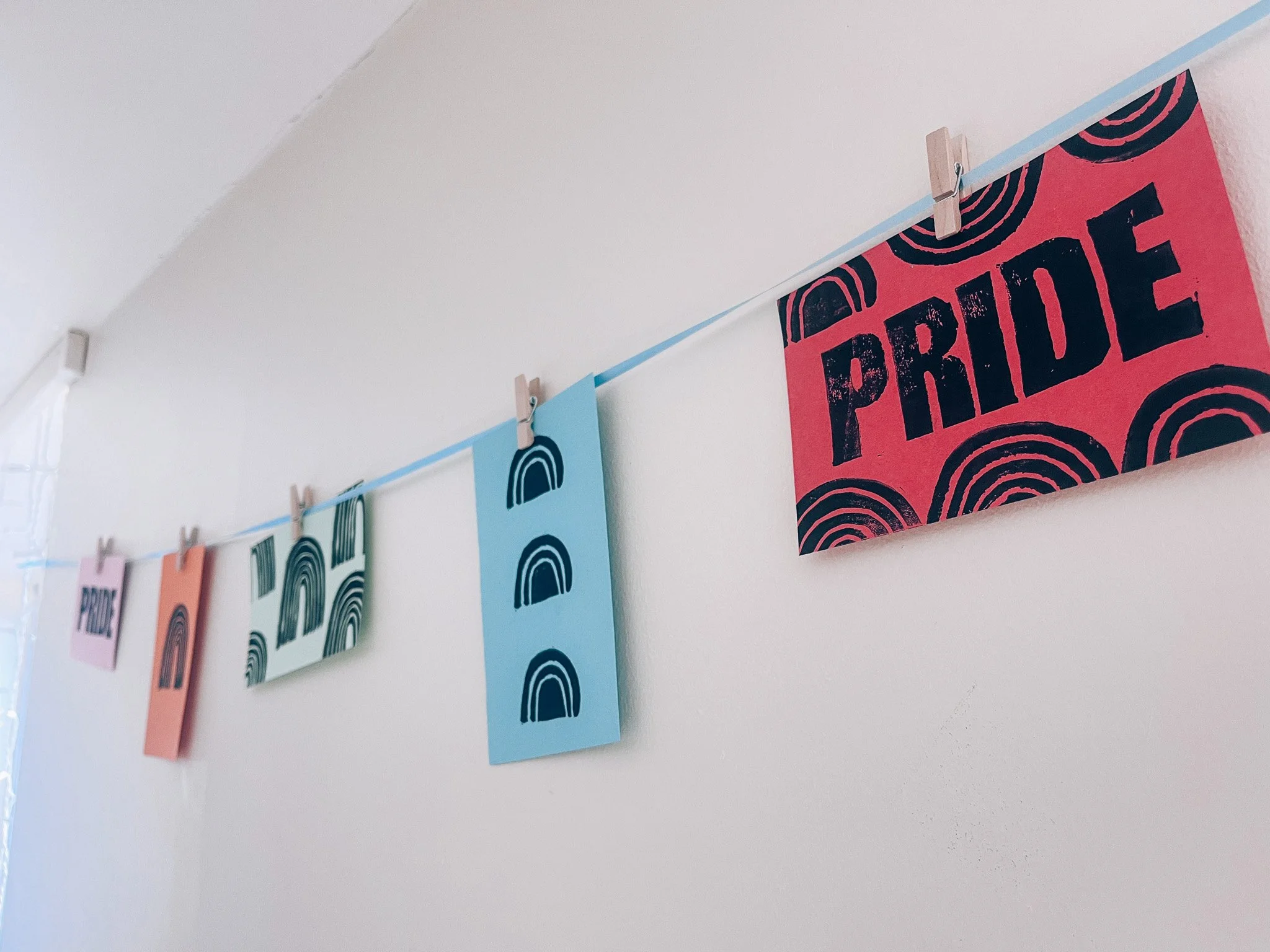
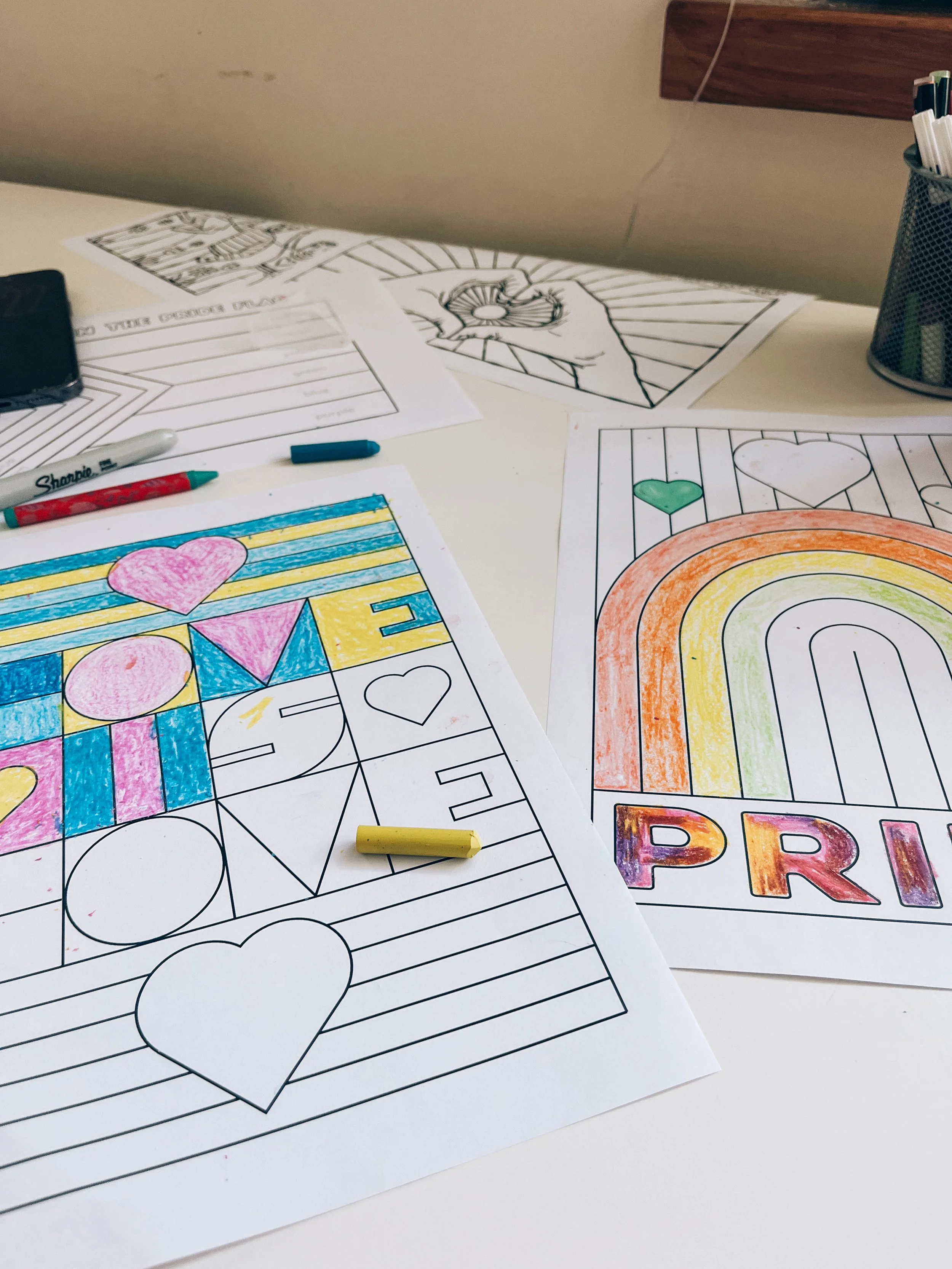
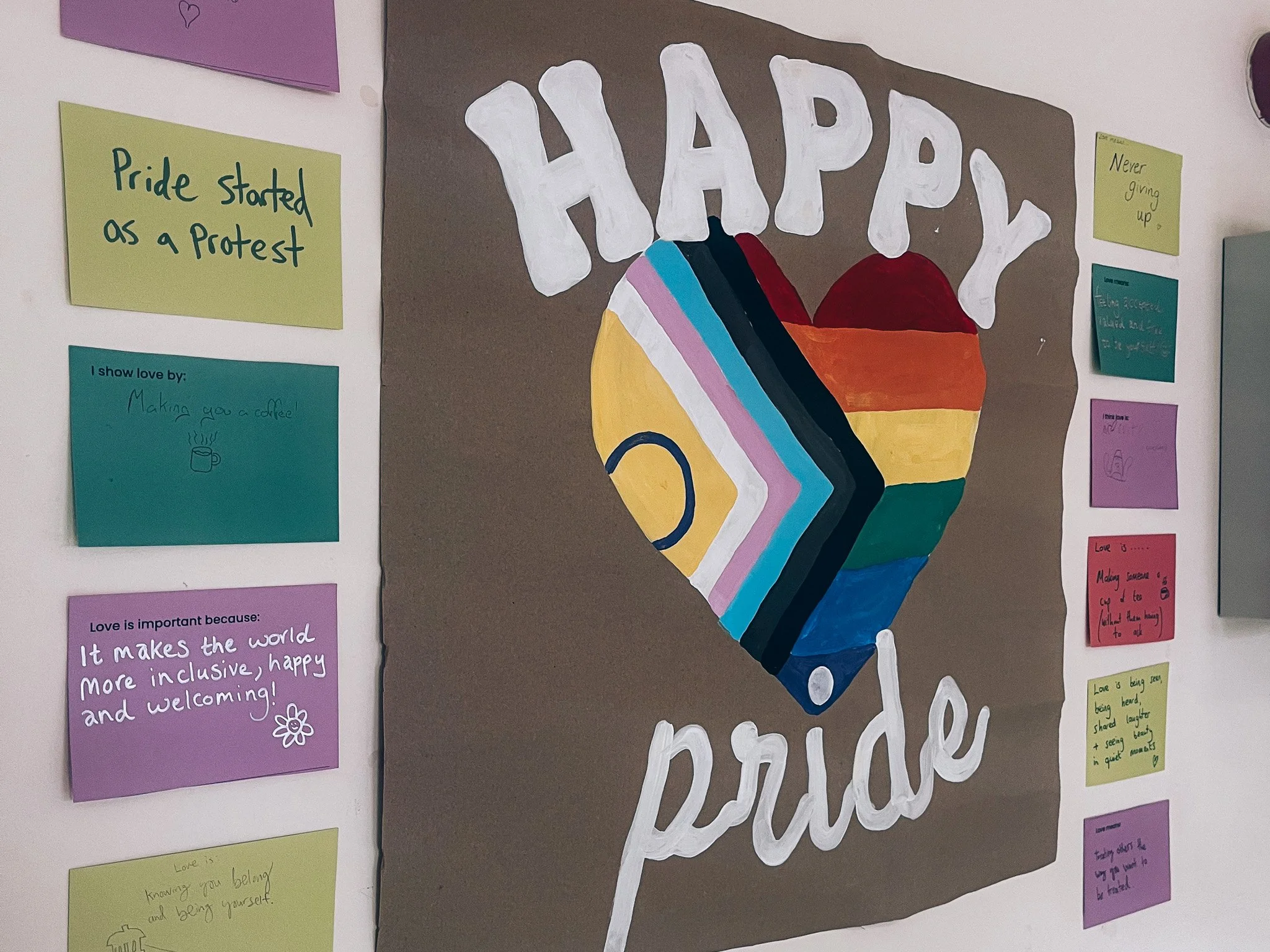
This week, young people and youth workers gathered in our building for a Pride event that included crafts and activities, delicious food, and a walking debate that encouraged thoughtful discussion around topics such as inclusion, stereotypes, and the history of Pride.

We were incredibly impressed by the maturity, openness, and engagement shown by the young people who attended. The event concluded with everyone signing a Pride flag as an expression of allyship, pride, and a shared commitment to creating spaces where all young people feel safe, respected, and valued.

Solas Project Pride Celebration, 2026

As an organisation, we believe that every young person deserves to experience belonging. Through events like these, and through our ongoing commitment to learning and inclusion, we hope to continue creating communities where all young people can thrive.

Our Rua Programme: A Different Response to Crime

As we conclude our series responding to the findings of “A Socioeconomic Analysis of Dublin’s South West Inner City” by Dr. Barra Roantree, we want to focus on a topic that is often discussed in isolation but is deeply connected to many of the issues highlighted throughout the report: crime.

Several of the report's findings point to rising levels of crime in the South West Inner City, noting that serious crimes have increased by more than 20 per cent since 2023 and that the area's crime rate is more than double the national average.

While these figures are concerning, they cannot be viewed in isolation. Behind every statistic is a person, a family, and a community shaped by wider social and economic circumstances.

TARGETED OUtreach in the Community

This reality is reflected in the recent Irish Penal Reform Trust (IPRT) report, “From Punishment to Prevention: Poverty, Inequality and Pathways into the Irish Criminal Justice System”, which highlights how poverty, school exclusion, unmet mental health needs, trauma, housing instability, substance use, and a lack of youth infrastructure can all contribute to pathways into the criminal justice system. In communities experiencing long-term deprivation, these challenges are often layered, cumulative, and intergenerational.

This understanding is central to our Rua Programme.

Rua works with young people aged 15-22 who are involved in, or at risk of becoming further involved in, the criminal justice system. Based in Dublin 8 and Dublin 12, the programme recognises that offending behaviour is often linked to experiences of exclusion, inequality, and a lack of opportunity. At the same time, it challenges harmful behaviour and supports young people to take responsibility for their actions through a restorative approach.

The programme's name reflects this belief. Historically, some young people involved in the justice system were described as being "red starred", marked by a warning sign beside their name. Rua, the Irish word for something that is red and alive, was chosen intentionally. Rather than seeing these young people as a warning sign, we see them as individuals full of life, strength, and potential, with valuable contributions to make to their communities and society.

At the heart of Rua is the trusting relationship built between youth justice workers and young people. Through a four-year intervention model, the programme provides long-term, consistent support that remains present through both successes and setbacks. Working one-to-one and in small groups, the team supports young people in areas such as personal development, education, training, employment, and positive community engagement.

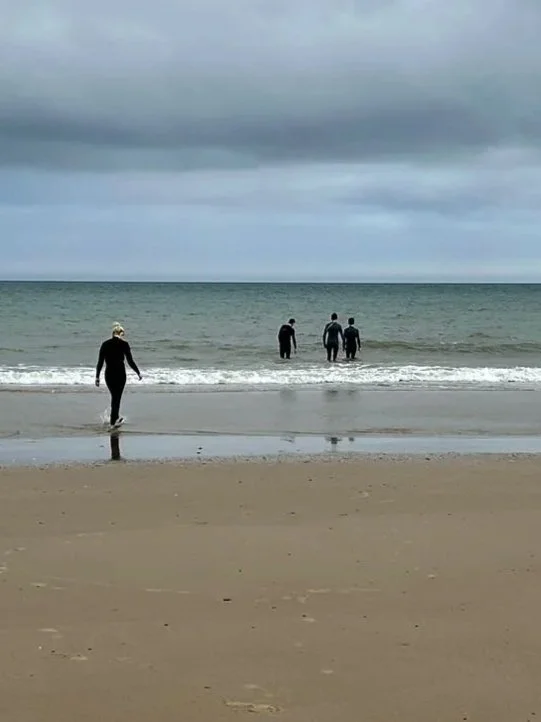
Young People Enjoying time in the Ocean on a Summer Residential

In 2025, Rua engaged with 56 young people through 2,945 hours of contact work. Alongside structured interventions, the team facilitated 24 nights away on residential trips and delivered 32 summer activities, creating opportunities for young people to build relationships, develop confidence, and experience new environments beyond their day-to-day circumstances.

We chose to conclude this series with the topic of crime because it highlights how interconnected many of these issues are. The barriers to education explored in Part 1 and the lack of sporting facilities and opportunities discussed in Part 2 are not separate challenges. They form part of the wider environment in which young people grow up and make decisions about their futures.

The statistics presented in these reports are stark, but they also reinforce why this work matters. They remind us of the importance of investing in young people early, creating opportunities for connection and participation, and providing long-term support when challenges arise.

As the IPRT report states:

"Safer communities and a fairer justice system can be built through earlier intervention, stronger community supports, and sustained investment in the conditions that allow people and communities to live with dignity."

At Solas Project, that is exactly what we are striving to do: create opportunities, build relationships, and support young people to realise their potential, regardless of the challenges they face.

Creating Space for Sport in the SWIC

Solas@School TAG RUGBY

As we continue our series responding to Dr. Barra Roantree's report, “A Socioeconomic Analysis of Dublin’s South West Inner City”, the next area we want to focus on is sport and physical activity.

Several of the report's findings highlight the lack of opportunities available to young people in the South West Inner City (SWIC) due to limited access to sporting facilities. The report found that there are currently no public pitches within the Grand Canal and North Circular Road, with just two of Dublin City Council's 248 public pitches located in the SWIC. As a result, there are almost ten times more people per playing pitch in the area than the Dublin City average.

The report also highlighted that just 22 per cent of primary school students and 8 per cent of secondary school students in the SWIC are meeting national physical activity guidelines.

These statistics reinforce something we see regularly through our work: young people want opportunities to be active, develop new skills, and participate in sport, but too often face barriers in accessing facilities and organised activities.

That is why sport plays an important role across all of our programmes. From 5 – 25 year olds, from tag-rugby to boxing, we use sport as a tool to build confidence and expand horizons. This year this has ranged from weekly sports sessions with our After Schools to run clubs with our young women, from flag football in Oberstown detention centre to our Fighting for Change boxing programme with our older young people.

AMERICAN FLAG FOOTBALL PROGRAMME, 2026

Detached youth work team enjoying a friendly game with young people in a local park, 2026

Through our Solas@School Sports Programme, we partner with local schools to deliver Tag Rugby sessions that encourage teamwork, confidence, and physical activity. The programme culminates each year in our Tag Rugby Blitz, bringing together students, volunteers, corporate partners, and local schools for a day of sport and community. Thanks to the support of local universities and Leinster Rugby, young people are also given the opportunity to experience playing on high-quality sports facilities that may not otherwise be accessible to them.

This year, we also introduced a new American Flag Football Programme for young people in the community, as well as participants in our Compass Prison Programme. With the support of NFL UK & Ireland, who provided training and equipment, young people were given the opportunity to try a new sport, develop new skills, and build confidence through participation. As one participant shared:

"Flag football is a really fun new sport that everyone can play. I am really enjoying it!"

More recently, our detached youth work teams have added portable American football training equipment to their outreach resources, allowing them to bring even more sporting opportunities directly to young people where they are.

Alongside these initiatives, football remains a popular activity across many of our programmes, from informal games in the community and our prison programmes to organised events such as the Liam Hicks Memorial Cup in the Oliver Bond Flats and our semi-annual Youth Workers vs. Young People matches at St. Patricks Athletic home ground.

Liam Hicks Memorial Cup, 2024

The lack of facilities has forced us to be creative with our sports programmes, focusing on those that don’t need pitches such as running and boxing. However, it is not good enough that our young people are restricted by the lack of facilities when young people, in other parts of the city, and across the country, have access to ample sporting facilities on their doorstep.

We will continue to advocate for better for the young people growing up in the SWIC, and are actively involved in the Sporting Liberties campaign for increased sports facilities.

Every young person deserves the chance to discover their talents, pursue their interests, and experience the benefits that sport can bring. Through both our programmes, and our advocacy work, we are working to ensure that more young people have the opportunity to do just that.

A Brighter Future: From Stats to Opportunities

Following the recent report launch of  “A Socioeconomic Analysis of Dublin’s South West Inner City” by Dr. Barra Roantree, and some of the stark findings it revealed, we want to share more about what we as an organisation are actively doing to address the statistics through our targeted work in the South West Inner City (SWIC).

Students from Warrenmount Primary on a visit to UCD with the Solas@School Futures Programme

Education was highlighted in the report, revealing that the third-level progression rates for students in the area are less than half the national average:

“Just 36 percent of students who sat the Leaving Certificate at schools in the SWIC went on to third level eduction in 2024. This progression rate is less than half of that in Dublin (81 percent) or nationally (80 percent).”

We know that the young people in this community are not lacking ability or ambition, but rather opportunity and access. That is why our Solas@School Futures programme introduces 6th class children to the idea of attending third-level education from an early age. The programme aims to start conversations with children who may be at risk of educational inequality about what is possible for them, and also building their confidence and sense of self-worth. While we recognise that third level education might not be the right choice for all young people, we want to give them the opportunity to explore it as an option and make an informed decision about their future.

The programme begins with an interactive classroom discussion about future career pathways, third-level education and the steps each student can take to get there. The following week, students visit a university campus, where they experience a taste of college life through a campus tour, workshop, and even a hot chocolate from the café. The programme concludes with a final in-class session where students reflect on what they learned, what surprised them, and whether their perspectives on the future have changed.

A teacher from Scoil Treasa Naofa in Dublin 8 shared about the programme:

“The UCD trip gave my students a brilliant chance to see the range of options in education ahead and the benefits of campus life.”

We want to say a big thank-you to all of the campuses who have hosted us for tours and activities including: University College Dublin, Trinity College Dublin, and Dublin City University. So far this academic year, our Solas@School team has facilitated the Futures Programme across 8 primary schools in the community, supporting 187 students to see what possibilities are available to them and encouraging them to dream big, believe in themselves, and feel confident about their futures.

From Tiny Seeds to Big Ideas

Spring has sprung, and just as the seasons change throughout the year, our After Schools clubs have been exploring themes of growth in order to encourage the kids to see how much they also grow and learn over the space of the year. Miriam, our Senior After Schools Club leader, shared:

“The theme of growth stemmed as an idea after one of the children in my club asked me to record their heights to see how much they grow over the time they spend in club. This got us thinking about how we can help the kids recognise all the areas they can grow in, not just physically, but mentally, socially and emotionally as well.

In both the Junior and Senior clubs, we started with a time capsule activity. Each child wrote about their favourite things at the time, what the weather was like, and what they think will be different in 6 months’ time. We locked it away, and it won't be opened until the last week of club in June 2026, just before our summer holidays.

We then measured each child up against the wall and took note of their heights, so we are going to see how tall each of us gets across the year. We talked about what helps someone grow as a person, and what might hold them back. After sharing ideas, we drew the outline of two of the kids in club, one named Ms Excited to Grow and the other Mr Does Not Want to Grow, and filled them with all the things we came up with. It was great seeing all the kids get so involved in what makes someone grow vs what stops someone from growing. They came up with all different ideas, ones that me nor any other adult in the room could come up. One of the outlines quickly filled up with all the different ways we can grow, and we still refer back to it today.   

On another day, we challenged ourselves to try new fruits and vegetables or retry some that we didn't like the first time. All the kids loaded up their plates with different fruits and veg, and gave each one a try (whether it was covered in chocolate or not is irrelevant). One girl was so excited about trying new foods that when she went to the Juniors club to collect her brother, she was telling Lorna all about it which just shows the impact of something we can consider small at times.  

We then built on what we had learned about growth by exploring how plants grow, and what they need that we also need. Each child planted their own seeds to look after and help grow over the coming months, as well as planting some beautiful flowers to fill the back area with some bright colours.” 

Lorna, our Junior After Schools club leader, shared:

“The stand out moment for me, would be seeing the love and attention the young people gave to their plants. One young person even started the trend of giving her plant a hug and a kiss every day to help it grow!”

Our wonderful weekly volunteers, including those with us for the year through the European Solidarity Corps, also noticed how invested the kids became in the theme and activities, sharing:

"They all were mad into the gardening, I've never seen them all take part in one activity together like that! The kids love to go out and check on the plants and see if they're growing each day.” 

It’s brilliant to see the enthusiasm and creativity from the children, and perhaps a good reminder to us all that we have the opportunity every day to make choices that help us grow and flourish.